


Polyp Surgery
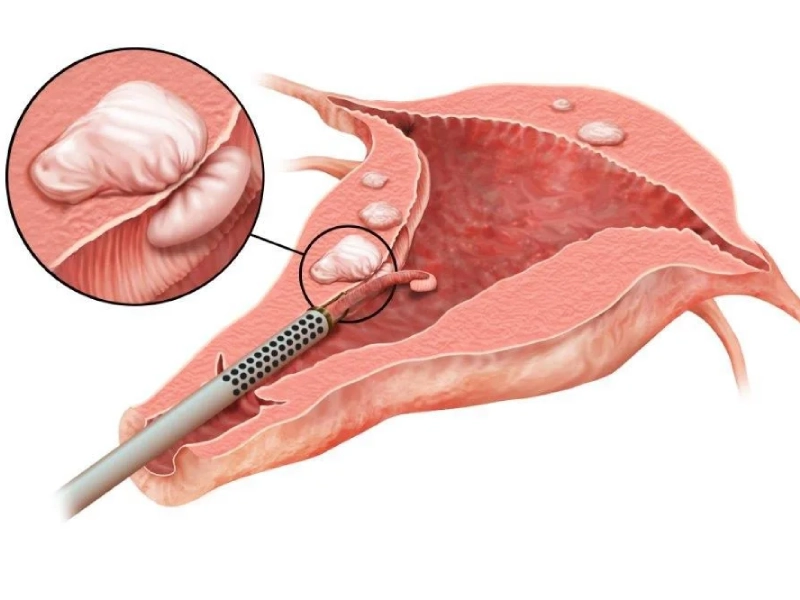
Polyp surgery is the procedure of removing benign tissue growths (polyps) that form in the lining of the uterus (endometrium) or cervix. Uterine polyps can often cause menstrual irregularities, intermenstrual bleeding, excessive menstrual bleeding, or infertility complaints. Therefore, their removal is recommended for both diagnosis and treatment purposes. Today, polyp surgery is mostly performed using a closed method called hysteroscopy. With this technique, a camera is inserted into the uterus to directly view and precisely remove the polyp. ⚕️
What is a Polyp?
A polyp is a growth of soft tissue, usually benign, that develops in the lining of the uterus or cervix, either stalked or broad-based. They form due to the excessive proliferation of cells on the uterine surface. Hormonal imbalances, excess estrogen, uterine infections, or the use of intrauterine devices (IUDs) can facilitate polyp development. Most polyps are small and asymptomatic, but when they grow, they can cause menstrual irregularities, spotting, or infertility issues. 🌸
How is Polyp Surgery Performed?
Polyp surgery is usually performed using the hysteroscopy method, which is a closed surgical technique. A thin camera (hysteroscope) is inserted through the vagina and cervix into the uterus. With the help of the camera, the inside of the uterus is magnified and visualized, and the polyp is directly identified. Then, special surgical instruments are used to cut and remove the polyp from its base. The procedure typically takes 15–30 minutes and can be done under general or local anesthesia. Bleeding is minimal, stitches are not required, and the patient can return home the same day. 💎
Who is Affected?
Uterine polyps can occur at any age but are most common in women aged 30–50. The likelihood of polyps is higher in women with menstrual irregularities, postmenopausal bleeding, or infertility problems. The risk also increases in individuals undergoing hormone therapy, those who are overweight, or those with high estrogen levels. 🧚
Purposes of Polyp Surgery
The main purpose of polyp surgery is both diagnostic and therapeutic.
– To stop excessive or irregular bleeding
– To increase the chance of pregnancy
– To detect uterine pathologies (precancerous lesions) early
– To obtain healthy tissue while preserving the uterine structure
Therefore, the removed polyp is always sent for pathological examination after the procedure. ✅
Advantages of Closed Method (Hysteroscopic) Polyp Surgery
Hysteroscopic polyp surgery offers many advantages over open surgery:
– No large incisions or stitches are required.
– Bleeding is minimal, and recovery time is short.
– It causes minimal damage to uterine tissue.
– Diagnosis and treatment can be performed in the same session.
– The patient is discharged on the same day.
With these features, it is both a comfortable and safe treatment option. 🌿
Post-Surgery Process
After the procedure, the patient may experience mild cramp-like pain or pink discharge lasting a few days. These complaints resolve quickly. The patient usually returns to normal life the next day. Sexual intercourse and tampon use are postponed for about a week. The uterus fully heals within 4–6 weeks after surgery. 🌼
Effect on Fertility
Uterine polyps can make pregnancy difficult by preventing embryo implantation. Therefore, especially in women who want to have children, the hysteroscopic removal of polyps significantly increases the chance of pregnancy. Removing the polyp does not negatively affect fertility; on the contrary, it ensures a healthy uterine environment. 🤰
| Feature | Description |
|---|---|
| Type of Surgery | Closed (hysteroscopic) method |
| Duration of Surgery | 15–30 minutes |
| Anesthesia | General or local |
| Recovery Time | 1–2 days |
| Hospital Stay | Discharged the same day |
| Effect on Fertility | Generally positive |
Polyp Surgery Prices
Polyp surgery prices may vary depending on the number of polyps, their size, the equipment used, and the type of anesthesia. In our clinic, a personalized treatment plan is created after a special examination and ultrasound evaluation for each patient. Please contact our clinic for current pricing information. 📞
Polyp surgery is an important step not only for maintaining uterine health but also in terms of fertility. When performed with the closed hysteroscopic method, it provides quick recovery and lasting relief. 🌷
Frequently Asked Questions About Polyp Surgery
Question: Is polyp surgery painful?
No, it is usually performed under general or local anesthesia. Mild pelvic pain after the procedure resolves quickly. 💊
Question: Do polyps recur?
In some cases, if hormonal imbalance persists, polyps may recur. Regular check-ups are recommended. 🔁
Question: What happens if a polyp is not removed?
A polyp can grow, leading to irregular bleeding or infertility. Rarely, there is a risk of becoming cancerous. ⚕️
Question: When can one get pregnant after polyp surgery?
Pregnancy can usually be planned after 1–2 menstrual cycles. 🤰


