


Tubal Ligation Surgery
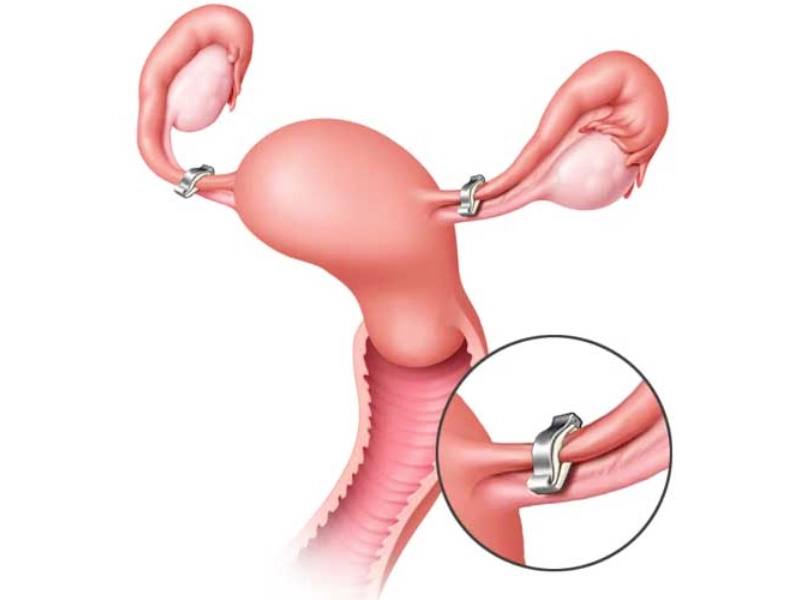
Tubal ligation surgery is a surgical birth control method that prevents the egg from merging with sperm by permanently closing or cutting the fallopian tubes when a woman does not wish to become pregnant. This procedure is medically referred to as “tubal ligation.” Tubal ligation provides protection against pregnancy without affecting hormonal balance, menstrual regularity, or sexual life. Nowadays, it is mostly performed using the laparoscopic (closed) method, allowing for quick recovery.
What is Tubal Ligation?
Tubal ligation is a permanent birth control method that prevents the egg from reaching the uterus by cutting, burning, or clipping the tubes in women. This means that even if an egg is released, it cannot merge with sperm, and pregnancy does not occur. It is an option for women who have completed their desired number of children and do not plan to become pregnant again. This method does not interfere with hormonal balance.
How is Tubal Ligation Surgery Performed?
Tubal ligation surgery is usually performed using the laparoscopic (closed) method. A small incision is made near the navel, and a camera (laparoscope) is inserted. After viewing the abdominal cavity, both fallopian tubes are located. The tubes are either closed with small clips or cut/burned. The procedure takes about 20–30 minutes under general or spinal anesthesia, and most patients are discharged the same day. The surgical scar is usually minimal.
Who is Suitable For?
Tubal ligation is suitable for women who have completed their desired number of children and do not plan future pregnancies. It may also be preferred by patients who cannot use hormonal methods, have contraindications to IUDs, or want a long-term permanent solution. It can also be performed during a cesarean section. Patients should be aware that the procedure is generally irreversible.
Tubal Ligation Methods
Tubal ligation can be performed using different techniques:
Laparoscopic method: The most common and comfortable technique, performed with small incisions.
During cesarean: The tubes can be tied during the same operative session after childbirth.
Mini-laparotomy: Performed with a small incision in the early postpartum period.
Advantages of Tubal Ligation Surgery
Tubal ligation is a safe and permanent birth control option. It does not affect hormone levels, menstrual regularity remains the same, and it does not reduce sexual desire. No additional protection method is needed afterward. When performed using the laparoscopic method, recovery time is generally short.
Post-Surgery Process
Patients are usually discharged within a few hours. Mild abdominal pain or gas discomfort may occur in the first days. Most can return to daily activities within 2–3 days. Sexual activity is usually postponed for about a week. Since hormonal balance is not affected, no significant physiological changes occur after surgery.
Tubal Ligation Surgery and Pregnancy Risk
Tubal ligation is among the highly effective birth control methods, providing over 99% protection. Rarely, if the tubes spontaneously reconnect, pregnancy may occur. In such cases, fertility can be re-evaluated via tubal reversal surgery or in vitro fertilization (IVF).
| Feature | Description |
|---|---|
| Type of Surgery | Laparoscopic (closed method) |
| Duration of Surgery | 20–30 minutes |
| Type of Anesthesia | General or spinal |
| Recovery Time | 2–5 days |
| Pregnancy Protection | Over 99% |
| Effect on Hormones | None |
Tubal Ligation Surgery Prices
The cost of tubal ligation surgery varies depending on the technique used, whether it is performed during childbirth or as a separate operation, and the hospital conditions. For accurate and up-to-date pricing, please contact our clinic.
Frequently Asked Questions About Tubal Ligation Surgery
Question: Can tubal ligation be reversed?
In some cases, reversal surgery is possible, but the success rate is generally low. It is considered a permanent procedure.
Question: Do periods change after tubal ligation?
No. Hormones are not affected, so menstrual cycles continue as usual.
Question: Does tubal ligation cause weight gain?
No. Tubal ligation does not affect hormones and is not associated with weight gain.
Question: What if I want to become pregnant after tubal ligation?
Options such as tubal reversal surgery or IVF can be evaluated.


